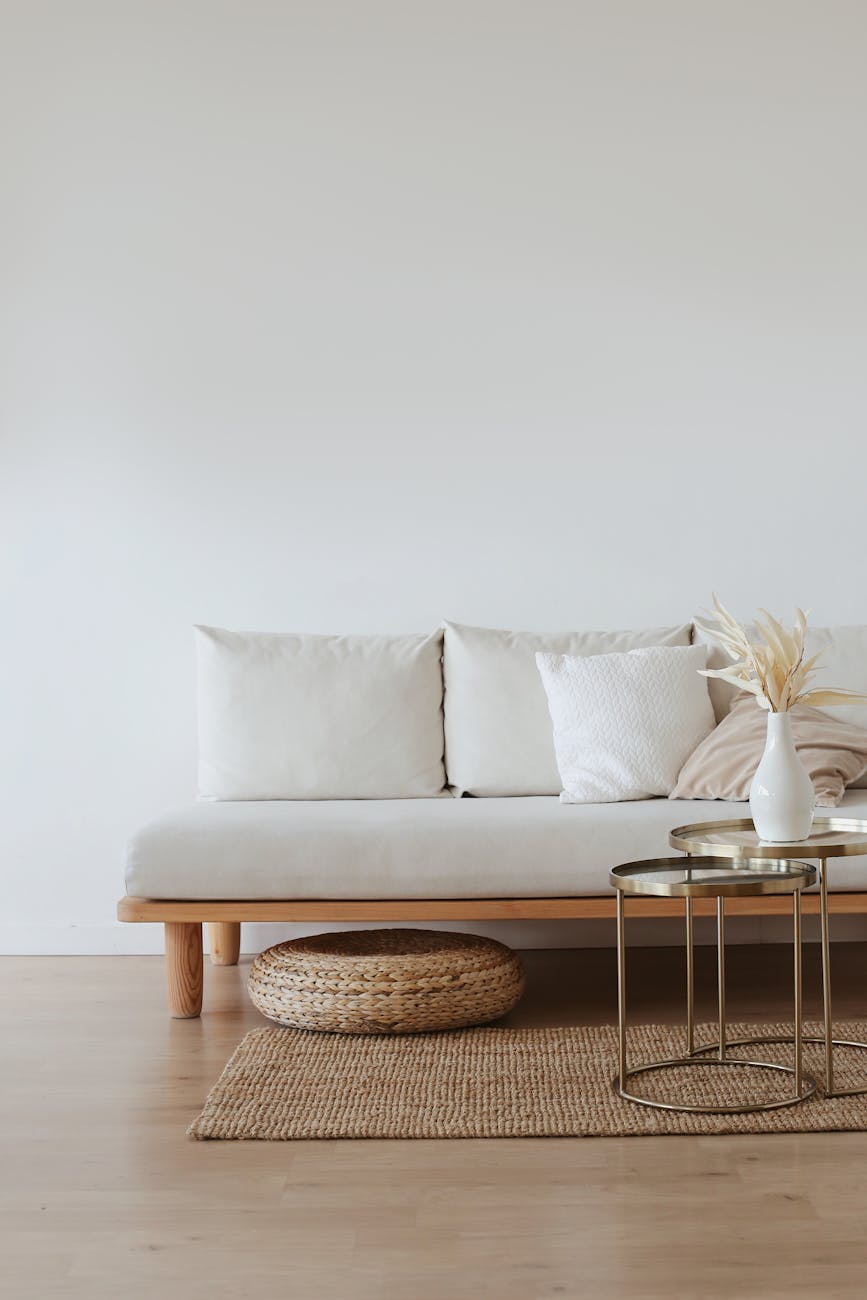
I’ve incorporated Stoicism and Minimalism into my life for about ten years now. I started with a 3,000 sq ft house (including a 400 sq ft sewing/product design studio), 400 sq ft two car garage (that came with woodworking and a commercial jewelry smithing workshop, along with the two cars), and a large size temperature controlled indoor storage unit. All of it was overflowing with not only things I collected but also hoarding from family members.
I’ll share where I started and how it’s going now in a later post.
First, there are some misconceptions about what a “Minimalist” is about.
Myth #1: You must throw everything in the garbage- immediately.
What even is Minimalism? The easiest answer is:
Minimalism is making space for accomplishing what you want to do in Life
What you keep and throw in the garbage depends on your goals.
If you like collecting something, like physical books, great! You want to travel the world? You probably don’t need a bunch of clothes. The goal is not for me to have less but to identify what I want in life and ask is this item or person helping me get there. It’s a process and a practice to get more.
People have emotional attachments to their surroundings. Stuff fills the empty spaces. Stuff makes our surroundings. This starts young. As we age, the need doesn’t change but the objects and people do.
There were times where I put extra clothes in bins and waited to see if I missed them. Music tour t-shirts, noteworthy outfits, sentimental papers all added to bins I didn’t need to be emotionally flooded by. On more than one occasion, I went back, pulled everything out, and went “I’m glad I kept this”. Some art event comes up and I basically cosplay a younger version of myself. That happens because you evolve in life. You constantly ask is this still me.
But then I get fed up by the clutter. The process starts all over again. Maybe I wasn’t quite ready to part ways before but I am now.
You spend the first phase of your life wanting things, the second acquiring things, and the third getting rid of things. -Unknown
MYTH #2: It must be boring.
Minimalism usually conjures up images of a compact space with white walls devoid of all personality and nothing but Ikea furniture. It doesn’t need to be! I design out of a small space but the walls are covered with favorite tour posters and precious tools. They tell a story of who I am as a designer and where I’ve been. That is a product of minimalism.
I don’t have an expiration date for accomplishing what I want in life. If it’s in my space, I enjoy looking at it. I don’t have to complete a project for the object to have value.
What you don’t see anymore is clutter- the cardboard boxes full of material*, the couch I inherited but hated.
*I learned the hard way that mice LOVE shitting in cardboard boxes of cozy fabric. No idea where mice entered my storage, perhaps a stowaway from the warehouse where I packed those boxes of reclaimed remnants. Plastic it is! And I took joy chopping up the grungy 1970s just-got-married-and-broke couch, which my mother didn’t want either.
MYTH #3: You must not buy anything.
I have apparel that, given a sudden fire, I probably wouldn’t care about. Yes, it serves a function but I don’t love it. But it’s either too expensive to replace right now or I haven’t found something I like better. Good design teams tend to be like waves at the ocean. They aren’t very reliable. The corporate tide can change at any moment. Functional and aesthetically pleasing products don’t always land when I’d like. Teams tend to dwell on redundant updates and play hide and seek with the hits.
So I keep items I may not love. When I am in the place to buy something, I think of those items and buy a replacement not an addition.
Buy things. But buy better, more thoughtful, more useful things.
When I worked for Gap, Inc., those clothes were the best I could afford at the time. It was cheaper to me while getting a gross $10.50/hr. Even now, a $160 jacket from Patagonia seems like a stretch. However, I spent easily $1,200 on clothes of average quality. If I added up everything on my Patagonia dream list, it might come out to $500-600. Buying cheaper definitely costs more in the long run. Not to mention, it takes up more space. With inflation and venture capitalists dominating, space costs a hell of a lot.
Buy it nice or buy it twice. @EatWithCHLO3
If you want to learn more about Minimalism, check out the below:
The Minimalist Podcast, episode 511: 7 Things [The] Minimalists Would Never Put in Their Living Room
https://www.theminimalists.com
 Grow BAE
Leave a comment